Cruise experts from Four Gates Group have outlined the main directions of development of the cruise industry in 2026 and beyond. The industry is confidently moving towards scale, sustainability, and new travel formats.
So, let's get started. Here are the main areas we want to share with you.
New generation giant liners
Cruise ships will continue to grow in size and capacity over the next decade. New flagships from leading companies will exceed 200,000 tons of displacement. Among them are future record-breakers from Norwegian Cruise Line, Carnival Cruise Line та Disney Cruise Line. At the same time Royal Caribbean and MSC are betting on the further development of already launched series, in particular Icon Class and World Class.
>>>MSC orders 4 more new liners - and this is in addition to the World Class
Environmentally friendly course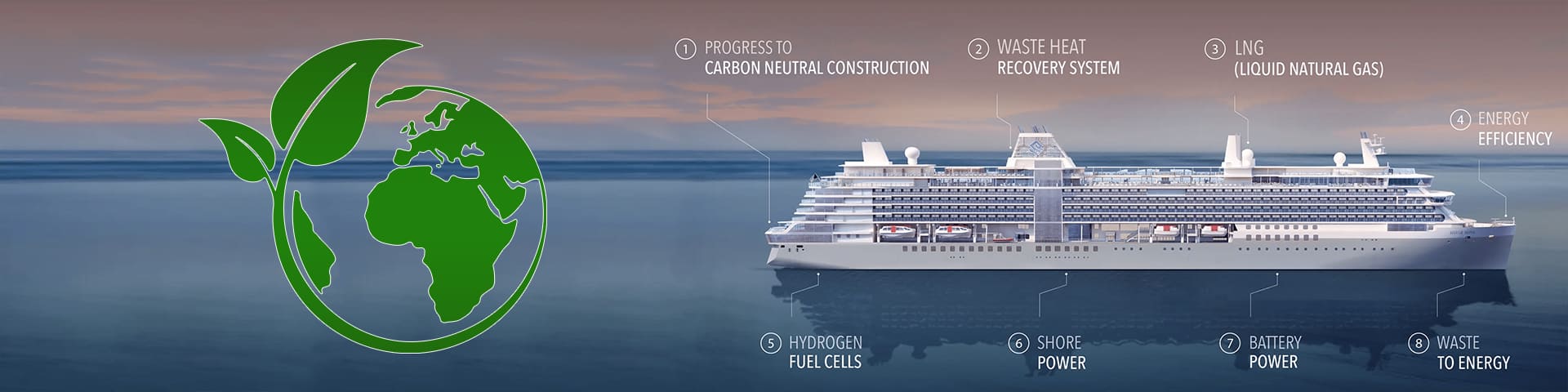
Despite the increase in scale, cruise companies are actively investing in "green" technologies, reducing the environmental burden. Alternative fuels are becoming a permanent standard: from 2026, about two-thirds of new ships will operate on liquefied natural gas (LNG) or other more environmentally friendly solutions. In the coming years, liners adapted to methanol and, later, to hydrogen technologies are expected to appear. In addition, the industry is reducing the use of single-use plastic, implementing rational water consumption and supporting the development of shore-based power supply in ports, which allows engines to be turned off during parking.
New approaches to routes
One notable trend is the increased development of off-season cruises, especially in the Mediterranean. Following Costa, MSC and Celebrity Cruises premium brands Windstar Cruises, Oceania Cruises, Silversea, Azamara and Regent Seven Seas are now joining the region's winter itineraries. Viking has traditionally maintained a strong position in Europe, offering winter voyages to both southern and northern destinations. The US is also seeing the return of home ports, including Philadelphia, as well as expanded programs in San Diego, Jacksonville, Norfolk and Mobile.


Consultation on any issues
Exclusive and private locations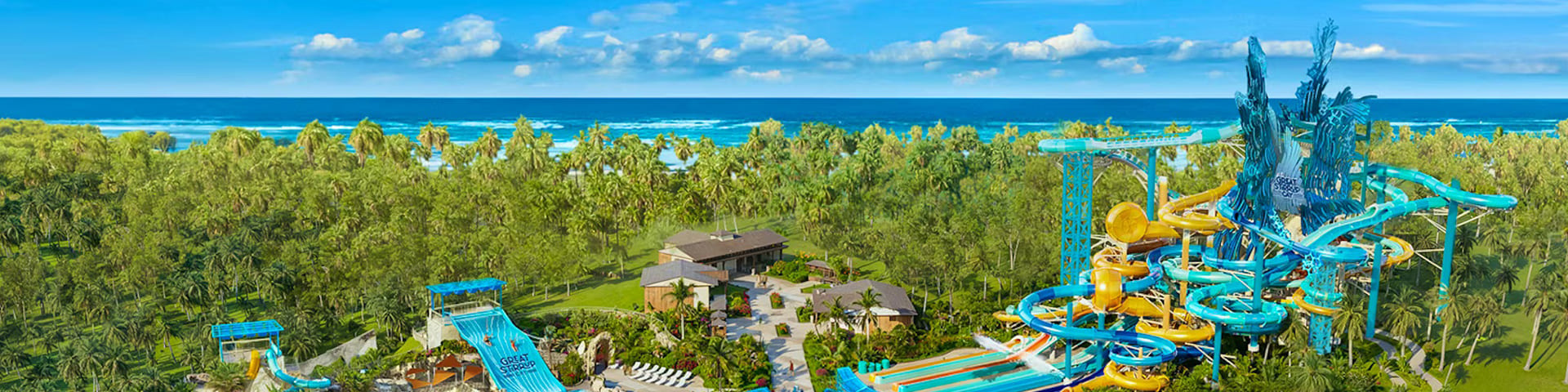
Cruise operators are increasingly creating their own private destinations, accessible only to their passengers. Royal Caribbean Group plans to operate more than eight exclusive locations in the Caribbean, Europe, South America and the Pacific Islands. Carnival Corporation is also strengthening its presence with the opening of Celebration Key and the modernization of Mahogany Bay (which will be renamed Isla Tropicale), RelaxAway at Half Moon Cay and other resort areas.
>>>Royal Caribbean to open beach club in Santorini
>>>Carnival Cruise Line prepares to open Celebration Key
More time to explore the ports
Modern cruises are increasingly focused on deeper immersion in the atmosphere of the cities and regions that are provided for in the cruise itineraries. Norwegian Cruise Line in the winter season 2027-28 will offer itineraries with an average port stay of almost 10 hours, dozens of overnight stops and late departures. Regent Seven Seas is developing the "Immersive Overnight" format, where the liner can stay in one port for up to three days. A similar approach is also actively used by Princess, Azamara, Oceania, Atlas Ocean and Windstar.
New taxes and restrictions for cruises
In response to the surge in tourism, many popular destinations are introducing additional fees and passenger restrictions. New taxes, port call limits, and regulatory rules are already in place or will come into effect from 2026. Countries and regions where such measures are being actively discussed or have already been approved include Greece, Norway, Hawaii, Iceland, and France.
>>>Cruises to Greece will become more expensive
Farewell to old ships
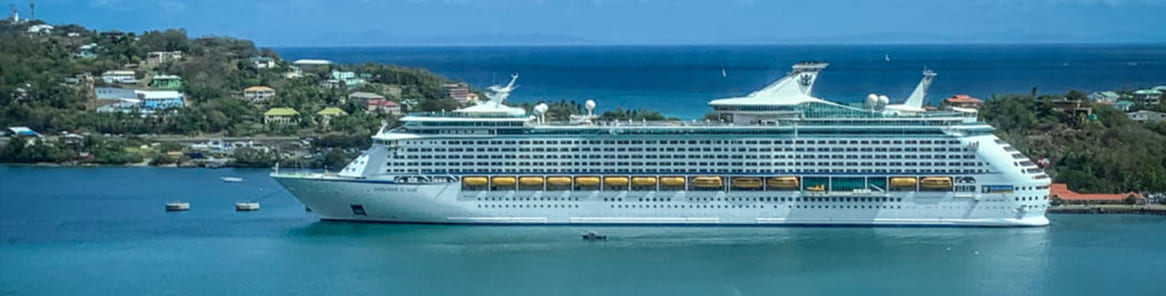
Fleet renewal is becoming a necessity: modern liners bring higher revenues and allow you to maintain premium prices. That is why large corporations are gradually writing off or selling outdated ships. Carnival Corporation has decommissioned more than 20 liners in five years, including Costa Magica and Seabourn Sojourn. Norwegian Cruise Line Holdings also announced its first fleet reductions in 15 years. In 2026, National Geographic–Lindblad Expeditions plans to say goodbye to two of its oldest ships.
The end of the so-called "idle fleet"
The global cruise market is gradually stabilizing, and the so-called “idle fleet” is practically disappearing. While in 2024 there were over 20 such ships, by 2025 most of them had found new operators or returned to operation. In particular, Costa Magica was sold to the Chinese company Tianjin Orient International Cruises, and ships such as FTI Berlin, Ocean Victory and Ocean Adventurer have returned to sea.
As you can see, the world of cruises is changing rapidly, offering even more new routes, formats and experiences. You can always find the latest cruise routes, new products and special offers on the >>>Four Gates Group website — and our managers will be happy to help you choose the perfect cruise for you.
Consultation on any issues
You can also book cruises on our website:
Other news
MSC Cruises and Eni confirmed the suitability of biofuel for use in cruise ship engines.
MSC Cruises and Eni confirmed the suitability of biofuel for use in cruise ship engines.
AI Magic: Virgin introduces an AI assistant that will make your journey seamless.
AI Magic: Virgin introduces an AI assistant that will make your journey seamless.
Royal Caribbean to open beach club in Santorini!
Royal Caribbean to open beach club in Santorini!
The world's deepest artificial harbor has been built in Egypt!
The world’s deepest artificial harbor has been built in Egypt!